
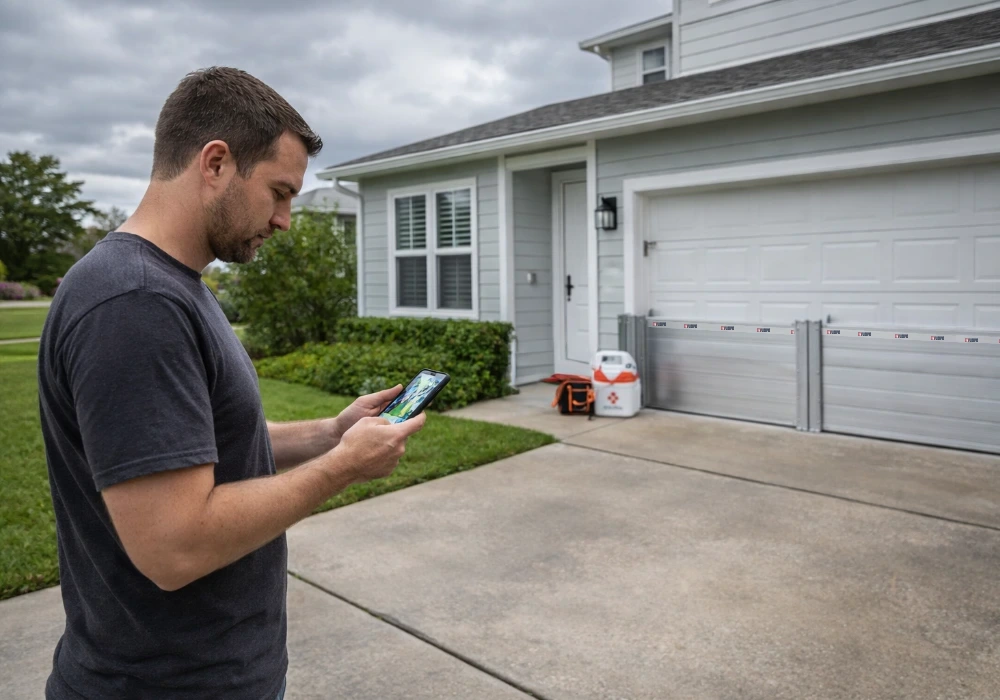
Flooding can happen faster than most homeowners expect. In many cases, the damage is not caused by the storm itself, but by the water that enters through doors, garages, sliders, and other vulnerable openings once heavy rain, storm surge, or poor drainage begin to overwhelm a property. The best time to prepare is before the forecast becomes urgent. A practical flood prep checklist can help you reduce last-minute stress, protect your home, and make better decisions when a storm is approaching.
When most people think about storm preparation, they think about stocking up on water, batteries, and groceries. While those are all important, flood preparation goes beyond basic emergency supplies. It also includes understanding your property’s weak points, organizing your protection plan, checking your drainage paths, and making sure you are not scrambling for solutions once the rain starts.
Even a few inches of water can cause serious damage. Flooring, drywall, baseboards, furniture, appliances, electrical systems, and stored belongings can all be affected quickly once water gets inside. In many cases, the cost of cleanup and repair becomes far greater than the cost of preparing ahead of time. That is why a clear, simple checklist is one of the best tools a homeowner can have during hurricane season and severe weather events.

The first step in any flood prep plan is understanding where your risk actually comes from. Many homeowners assume they are safe because they are not directly on the coast or because their property has never flooded before. Unfortunately, flooding can happen in a variety of ways. Heavy rainfall can overwhelm drainage systems. Storm surge can push water inland. Nearby lakes, canals, retention ponds, and low-lying roads can all contribute to unexpected water intrusion.
Walk around your property and ask practical questions. Does water tend to collect near the front door? Does the driveway slope toward the garage? Are there low patio sliders, side doors, or ground-level openings where water could enter? Are nearby storm drains often blocked or overwhelmed during heavy rain?
Knowing your risk does not mean assuming the worst. It means identifying the most likely entry points so you can focus your preparation where it matters most. A smart flood prep strategy starts with observation.
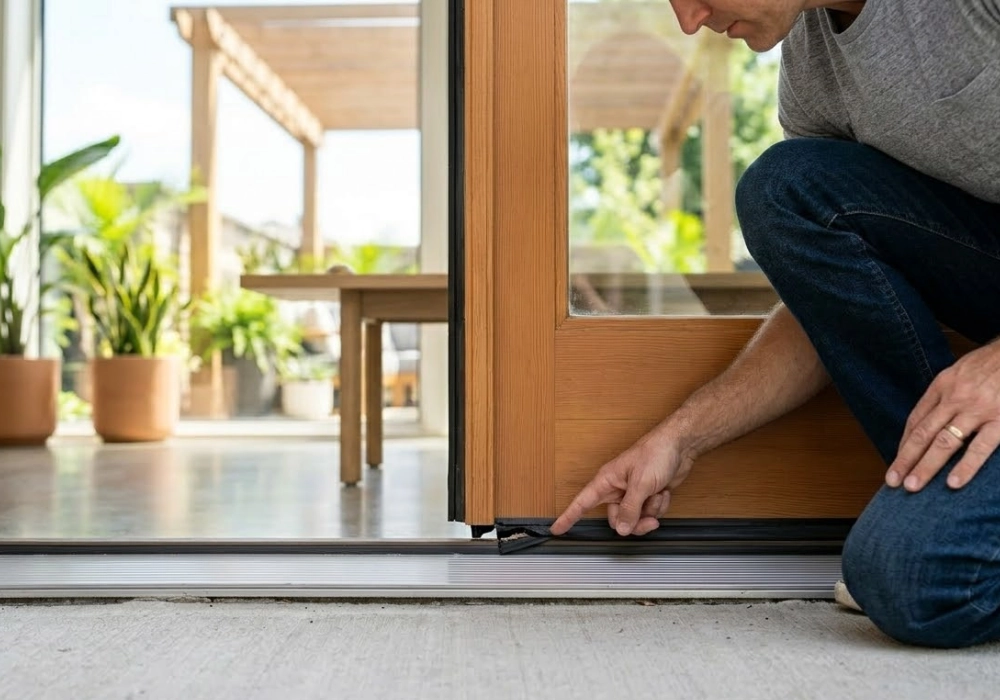
Water usually enters through the lowest and weakest points first.
For many homes in Florida, that means openings like:
Front doors
Side doors
Garage doors
Sliding glass doors
Patio access points
Low windows
Utility room entrances
Take time to inspect each of these areas carefully. Look for gaps under doors, aging seals, low thresholds, uneven transitions, or any place where water can push through. If a garage sits lower than the rest of the house, that opening may require special attention. If a slider faces a backyard where water tends to pool, that area should be part of your flood plan.
This is also the moment to think in terms of deployment. If you are using any kind of flood barrier system, ask yourself whether the opening has already been measured, whether the hardware is ready, and whether the barrier can be installed quickly under pressure. Preparation is not just about buying protection. It is about being ready to use it when it counts.
When most people think about storm preparation, they think about stocking up on water, batteries, and groceries. While those are all important, flood preparation goes beyond basic emergency supplies. It also includes understanding your property’s weak points, organizing your protection plan, checking your drainage paths, and making sure you are not scrambling for solutions once the rain starts.
Even a few inches of water can cause serious damage. Flooring, drywall, baseboards, furniture, appliances, electrical systems, and stored belongings can all be affected quickly once water gets inside. In many cases, the cost of cleanup and repair becomes far greater than the cost of preparing ahead of time. That is why a clear, simple checklist is one of the best tools a homeowner can have during hurricane season and severe weather events.
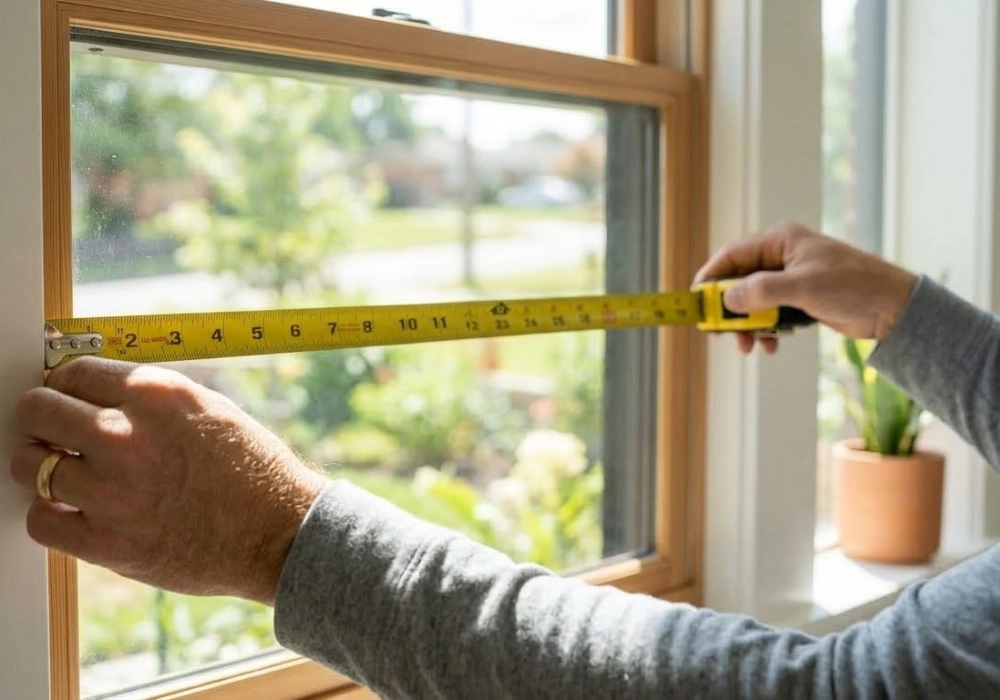
One of the most common mistakes homeowners make is waiting until a storm is already near to start measuring.
When weather alerts are intensifying, stores get crowded, contractors get busy, and every decision feels rushed. Measuring early helps you move from panic to planning. Create a list of the key openings you may need to protect and note the width of each one. For flood protection purposes, it is also important to determine the protection height you want based on your risk level and the property’s layout.
A simple list can make a huge difference. Write down the opening name, width, location, and any special notes. For example:
Front Door — 42 inches — main entrance
Garage — 16 feet — driveway slopes inward
Living Room Slider — 96 inches — backyard pooling area
Side Door — 36 inches — low walkway
This information helps you act quickly, whether you are ordering flood barriers, requesting a quote, or simply organizing your home’s storm plan. It also prevents confusion when several openings need attention at once.
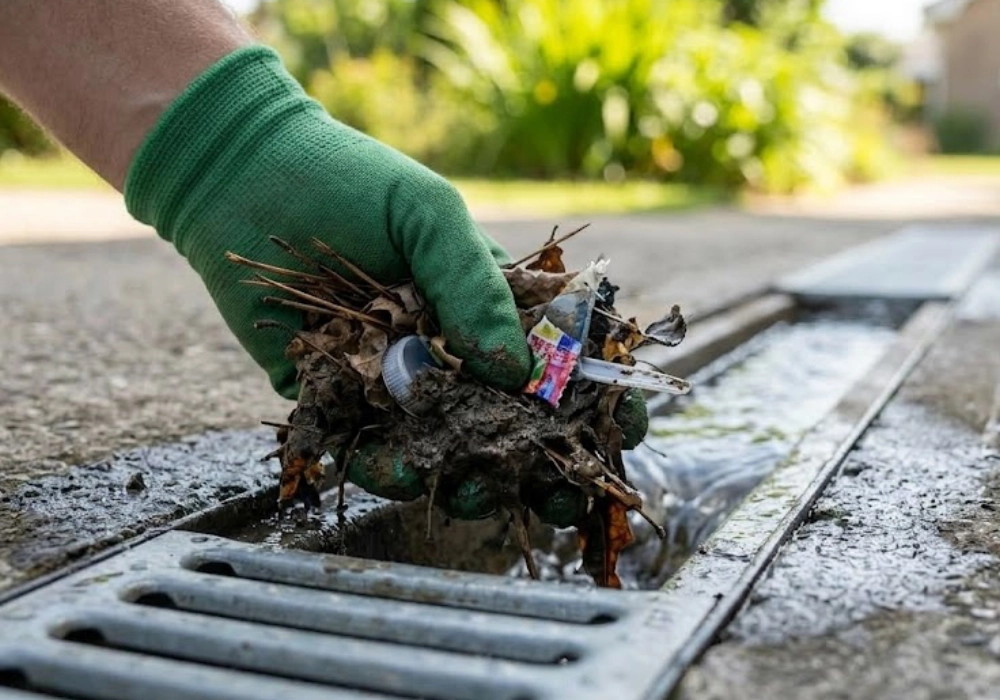
Sometimes the difference between manageable rainwater and interior flooding is a blocked drainage point.
Leaves, debris, mud, and overgrown landscaping can all interfere with the natural path water needs to take away from the house. Clean gutters, downspouts, driveway drains, patio drains, and nearby stormwater paths before storm season intensifies. If your yard has areas where water tends to sit, identify them early and look for ways to improve runoff.
This step may seem basic, but it is one of the most overlooked parts of flood preparation. Water does not need a major opening to cause problems. If enough water builds up in the wrong place, it will find a way in.
Also pay attention to objects around the home that may shift or block drainage during a storm. Outdoor furniture, planters, yard tools, and loose materials can all become part of the problem if they move into the flow path of water.
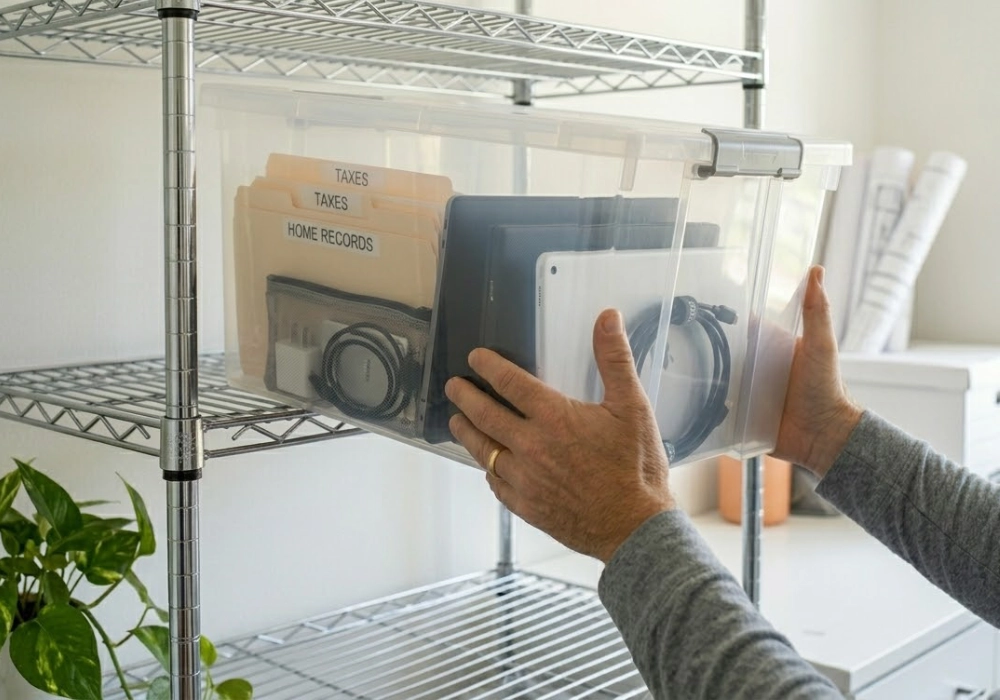
Flood preparation is not only about keeping water out. It is also about reducing losses if water does get in.
Anything stored low to the ground is more vulnerable than many people realize. Important documents, family photos, electronics, extension cords, small appliances, pet supplies, shoes, rugs, decorative items, and storage bins can all be damaged very quickly by floodwater.
Before a storm arrives, move valuable and sensitive items to higher shelves, upper floors, or safer interior spaces. If you have a garage, utility room, or first-floor storage area, review what is currently sitting on the floor. Raise what you can. Protect what matters most.
This is especially important for:
Insurance paperwork
IDs and personal documents
Home records
Electronics and chargers
Backup drives
Emergency supplies
Medications
Pet food and pet records
A few minutes of organization before a storm can save you from replacing items that were easy to protect.
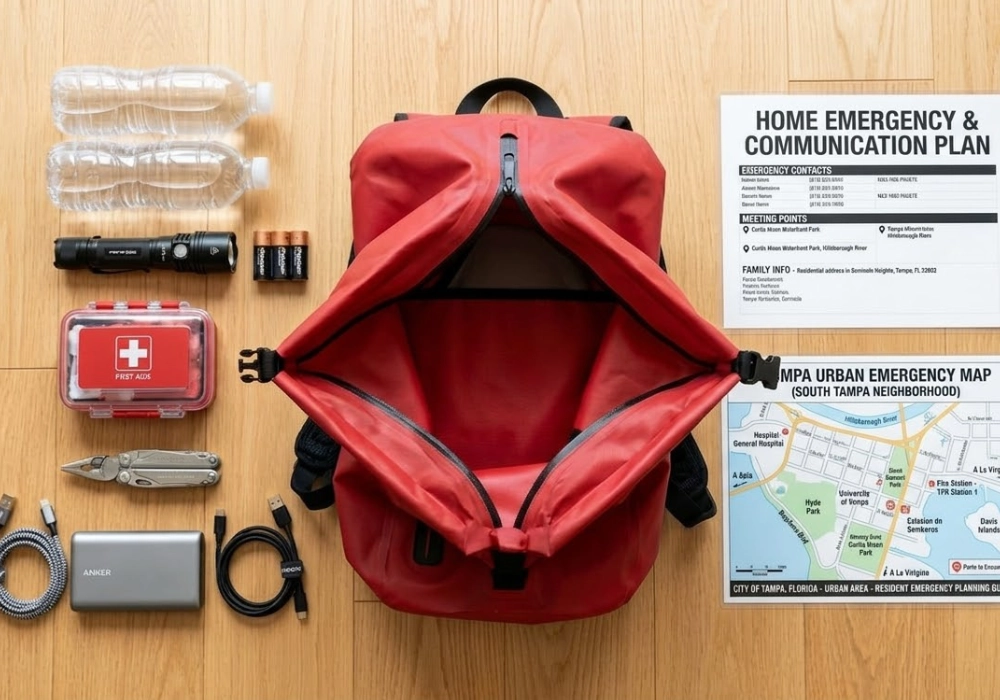
Flood readiness is not complete without a practical emergency setup.
Every home should have a basic emergency kit that is easy to access. That kit may include:
Bottled water
Nonperishable food
Flashlights
Batteries
First aid supplies
Phone chargers or backup batteries
Rain gear
Towels
Important documents in waterproof storage
Pet essentials if applicable
But equipment alone is not enough. A communication plan matters too. Make sure the household knows what to do if conditions get worse. Decide who is responsible for what. Know where important contact numbers are stored. Review local alerts and weather update sources before the storm starts.
If evacuation orders are issued, follow them. If you plan to stay, do so only if it is safe and legal to remain in place. Your flood prep checklist should support safety first, not just property protection.
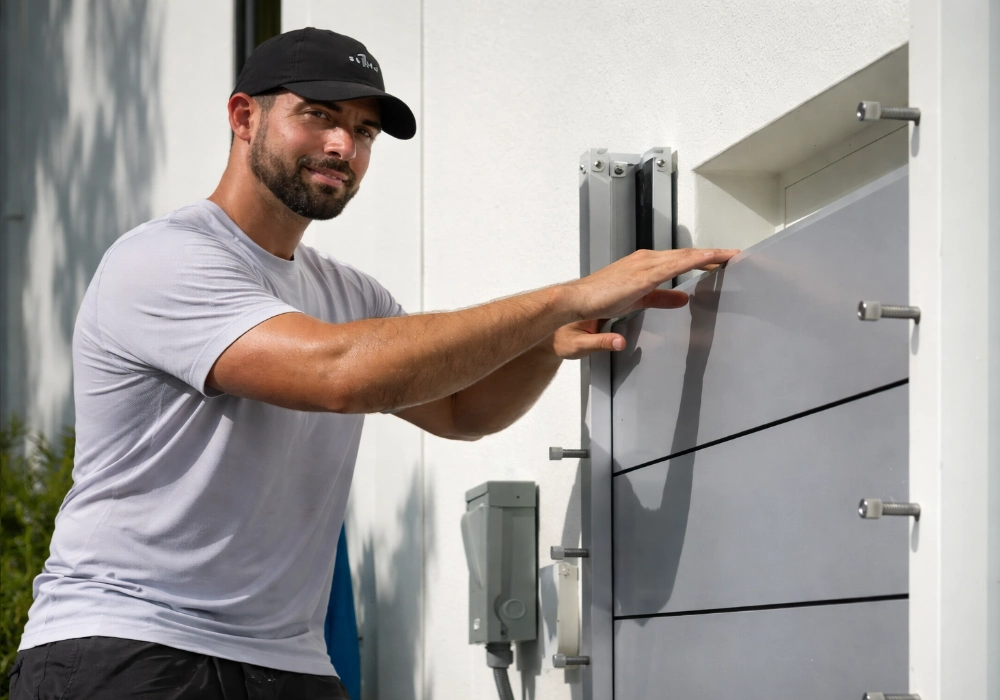
The final step is making sure your protection plan is realistic, not theoretical.
A lot of homeowners believe they are prepared because they have “something in mind” for the next storm. But preparation works best when the plan is specific. If you use modular flood barriers or another opening-based protection system, your plan should already answer these questions:
Which openings will be protected first?
Where are the barriers or materials stored?
Who will install them?
How long does deployment take?
Are the measurements already confirmed?
Are all parts and components together?
A deploy-ready plan removes guesswork. It helps you act calmly and efficiently instead of making rushed decisions while the weather is changing.
For homeowners in flood-prone areas, this can make a major difference. Water often rises fast, and the time window to respond can be shorter than expected. The more organized your plan is before the storm, the better your chances of reducing damage when conditions become serious.
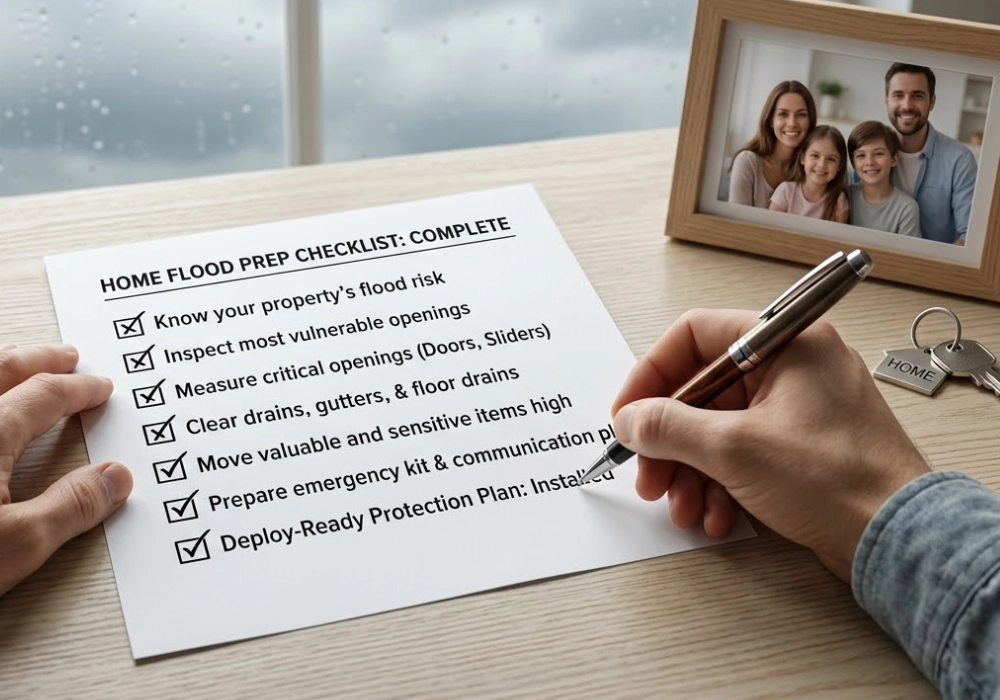
Flood preparation does not have to be complicated, but it does need to be intentional. Waiting until the last minute often leads to bad decisions, incomplete protection, and unnecessary losses. By walking your property, identifying vulnerable openings, measuring early, clearing drainage areas, protecting valuables, organizing emergency supplies, and making sure your flood protection plan is truly ready, you put yourself in a much stronger position before the next storm arrives.
The goal is not panic. The goal is preparation.
Storms are unpredictable, but your response does not have to be. A clear checklist helps you stay ahead of the pressure, reduce stress, and protect the areas of your home that matter most.
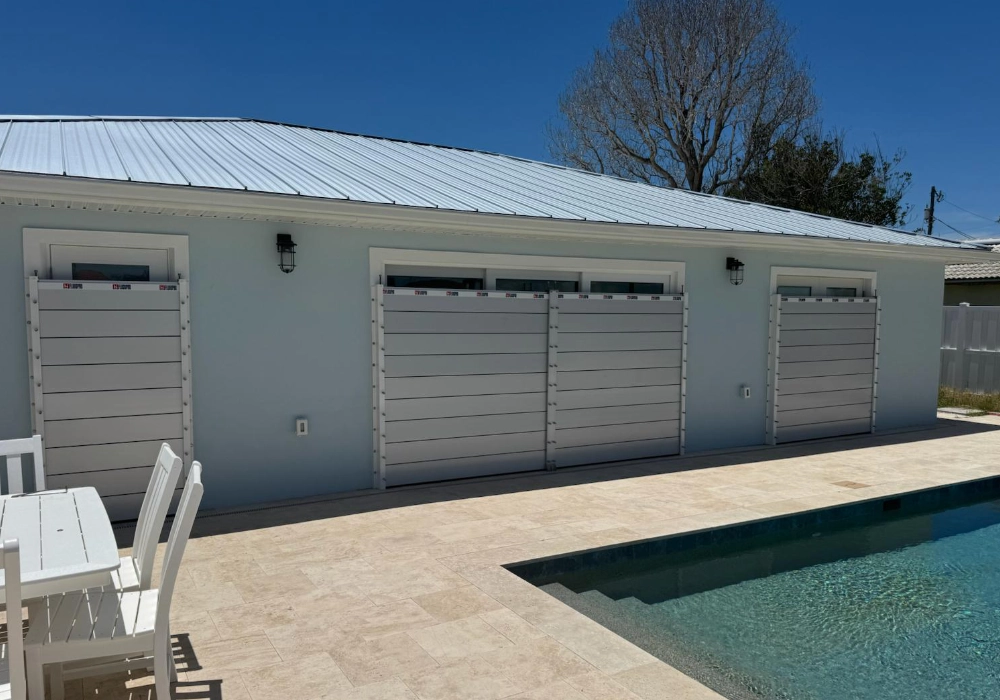
If you are thinking about protecting your doors, garage, sliders, or other openings before the next major weather event, now is the time to start planning. The earlier you measure and organize your home’s flood protection strategy, the easier it becomes to act with confidence when the forecast changes.
At HydraFloodPro, we help homeowners prepare with custom flood barrier solutions designed for real openings and real storm conditions. If you already have your measurements, we can help you review the best setup for your home. If you are just starting, we can guide you on what information to gather first.
Send us your opening measurements and desired protection height, and we will help you take the next step toward a smarter flood protection plan.